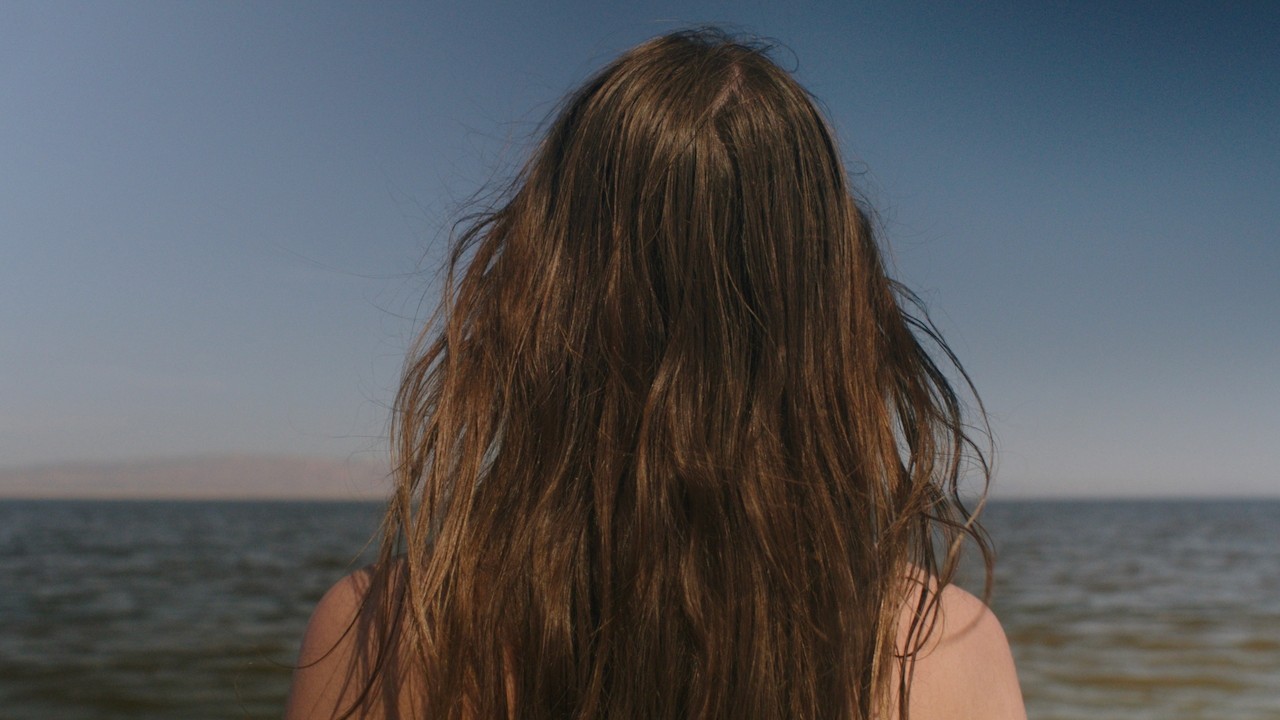
You started washing every three days instead of every other day, then every four, because less washing seemed to mean less hair on the shower floor.
The logic feels airtight. It is also backwards. I am Dr. Kira Mengistu, a physician and hair loss expert, and I treat women with hair loss every day. One of the most common patterns I see is a patient who stretched her wash days further and further apart, hoping to save her hair, while the condition underneath keeps moving.
Here is the short answer. Washing your hair does not cause hair loss. And if you have androgenetic alopecia, the most common form of hair loss in women, skipping washes can quietly work against you.
Why you see more hair when you wash
Every hair on your head cycles through three phases. It grows, it rests, and it releases. A hair in the resting/release phase, called telogen, has already detached from its follicle at the root. It is done. It sits in place, held loosely by friction and neighboring strands, until something dislodges it.
That something is usually your shower. Water, lather, and fingertips sweep out hairs that let go days ago. Wash less often and those hairs accumulate, so the next wash looks dramatic. You did not lose more hair. You collected it.
This is why the drain is a poor measure of your hair loss. It measures your wash schedule. If you wash daily, 50 to 100 shed hairs a day is within the normal range. If you wash twice a week, three or four days of normal shedding lands in the drain at once.
Skipping washes delays the evidence. It does not prevent the shedding, and it cannot touch the biology driving it.

What actually drives androgenetic alopecia: genetics, hormones and inflammation
Androgenetic alopecia is genetic. In susceptible follicles, a hormone called dihydrotestosterone, or DHT, gradually miniaturizes the follicle. Each growth cycle produces a slightly finer, shorter, weaker hair. Over years, that shows up as a widening part, a thinner ponytail, more scalp at the temples.
DHT is the primary driver. But research shows it does not act alone. A study in the International Journal of Dermatology found that even early androgenetic alopecia shows perifollicular microinflammation, a low-grade chronic inflammation surrounding the follicle that can impair the growth cycle (Mahé et al., 2000). Follow-up work in women specifically linked this microinflammation to increased cell death within follicles affected by female pattern hair loss (Ramos et al., 2016).
Inflammation is the part of the equation your wash routine can influence. Which brings us to what happens on a scalp that goes unwashed.
Skipping washes increases scalp inflammation
Your scalp produces sebum continuously. In small amounts, sebum protects the skin barrier. Left to accumulate, it becomes a problem in three ways.
It concentrates the wrong things at the follicle opening. Accumulated sebum can trap DHT and inflammatory signaling molecules right where your most vulnerable follicles live. On a scalp already sensitive to DHT, buildup keeps the irritant close.
It feeds microbial overgrowth. Sebum is food for Malassezia, the yeast behind most dandruff. Research in PLoS ONE found that flaky, irritated scalps show a measurable imbalance in their bacterial and fungal populations compared to healthy scalps, with Malassezia restricta overrepresented (Clavaud et al., 2013). An imbalanced scalp microbiome means more irritation, more flaking, more inflammation around follicles that need calm to grow.
It compounds the inflammation already present. Androgenetic alopecia arrives with microinflammation built in. Oxidized sebum, keratin debris, and microbial overgrowth layer additional inflammatory stress on top. You cannot afford to donate extra inflammation to a follicle that is already fighting.
The itching, flaking, and gritty buildup that show up after a week without washing are not neutral. They are signs your scalp environment is degrading. Healthy hair grows from healthy scalp skin, the same way good skin starts with a consistent routine. Scalp health is the foundation, and it is one of the few variables fully in your control.
The sulfate question, answered honestly
Some women skip washes because they fear the shampoo itself, sulfates in particular. Here is what the evidence supports.
Shampoo exists to clean the scalp of sebum, sweat, dead skin cells, and product residue, and regular cleansing helps prevent conditions like seborrheic dermatitis (Draelos, 2010). Sulfates are detergents. They act on the hair shaft's outer cuticle and the scalp's surface barrier. Used too aggressively, they can leave hair dry and a sensitive scalp irritated. What they do not do is reach the follicle beneath the skin or cause the miniaturization that defines androgenetic alopecia.
Dryness is a texture problem. Miniaturization is a medical one. If sulfates leave your hair parched, switch to a gentler sulfate-free formula. Do not stop washing.
What a scalp-first wash routine looks like
There is no universal wash frequency. Fine, straight hair may need washing every day or two. Coily and textured hair may do well at once a week with proper scalp care between washes. The goal is a clean scalp, not a rigid schedule.
A few principles hold across hair types.
Wash the scalp, not just the hair. Work shampoo into the skin with fingertips for a full minute. The lengths get clean in the rinse.
Do not fear the drain. Those hairs were already gone. Let the wash do its job.
Extend styles without abandoning the scalp. If you stretch between washes for a blowout, keep heavy oils and dry shampoo buildup off the roots, and reset with a thorough cleanse.
Treat flaking as a signal. Persistent itch and flakes point to Malassezia overgrowth, which an antifungal ingredient like ketoconazole addresses directly.
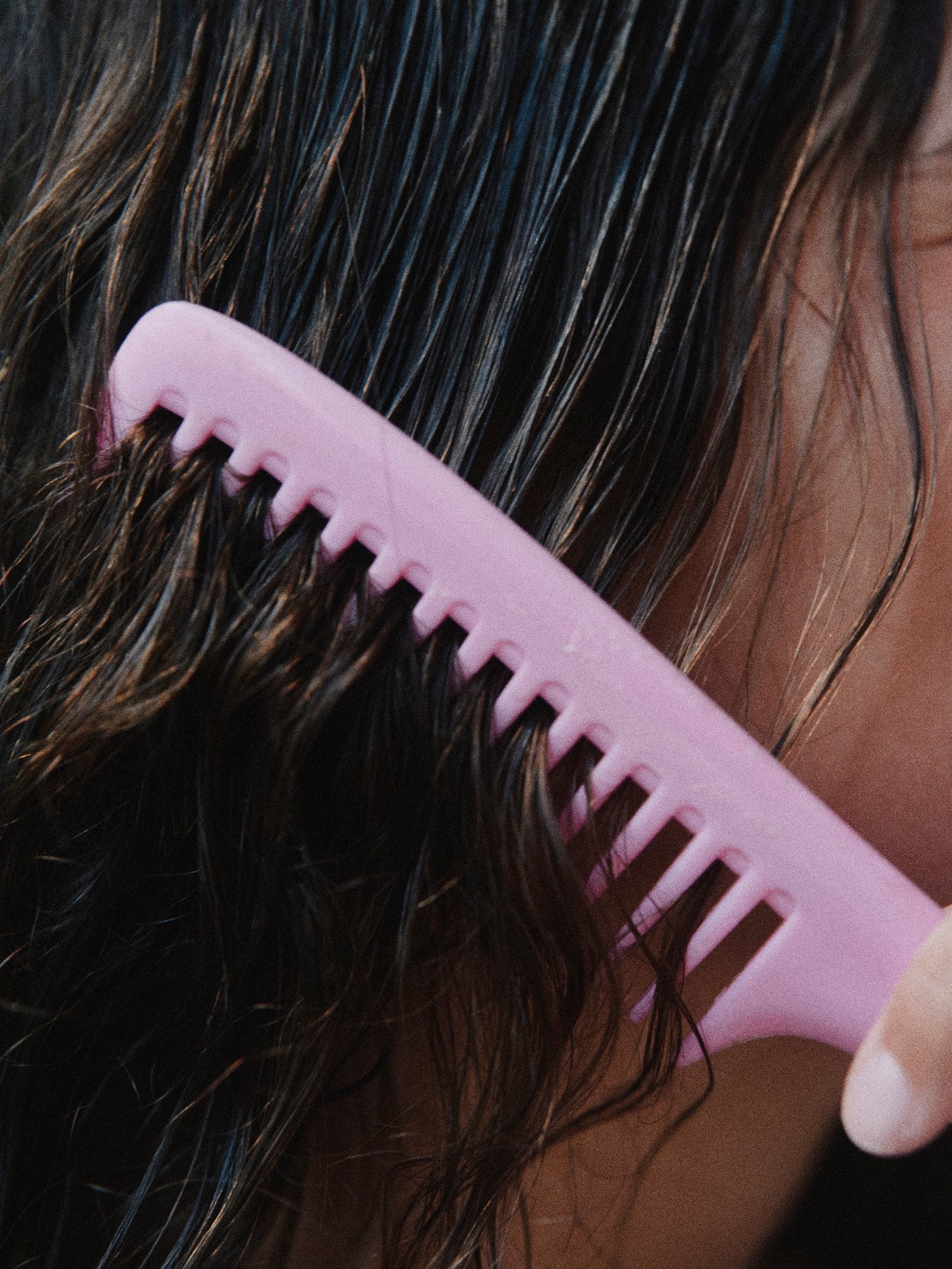
Clean scalp, treated follicles
Now the honest limit. Washing your hair properly protects the environment your follicles live in. It does not treat androgenetic alopecia. No shampoo does, whatever the bottle promises. DHT keeps miniaturizing susceptible follicles until something intervenes at the follicle level.
That is the work of prescription treatment. Our serum pairs 7.5% minoxidil with tretinoin to drive the active deeper into the follicle, in a base with no propylene glycol or alcohols, so it treats without drying. Ketoconazole in the formula addresses the microbial and inflammatory side of the equation covered above. Hygiene keeps the scalp clean. Medicine changes what grows out of it. You need both, and only one comes from your shower.
Real regrowth is possible with the right treatment. Wash your hair, ignore the drain, and treat the follicle.
Find out which formula is best for you>>>
Frequently asked questions
Does washing hair every day cause hair loss? No. Daily washing removes hairs that already detached during the telogen phase. It does not pull healthy, anchored hairs from their follicles or affect the hormonal process behind pattern hair loss.
Why do I lose so much hair in the shower? Shed hairs accumulate between washes and release all at once when you cleanse. The longer you wait between washes, the more dramatic the drain looks. The total shed stays the same.
Can not washing your hair make hair loss worse? It can contribute. On a scalp with androgenetic alopecia, sebum buildup can hold DHT and inflammatory molecules near the follicle, feed Malassezia yeast, and add inflammation to follicles that are already under stress.
How often should I wash thinning hair? Often enough to keep the scalp clean. For most women that means every one to three days, and up to weekly for coily or textured hair with attentive scalp care in between. Match the frequency to your scalp, not to your fear.
References
Mahé YF, Michelet JF, Billoni N, Jarrousse F, Buan B, Commo S, et al. Androgenetic alopecia and microinflammation. International Journal of Dermatology. 2000;39(8):576-584. PMID: 10971723.
Ramos PM, Brianezi G, Martins ACP, da Silva MG, Marques MEA, Miot HA. Apoptosis in follicles of individuals with female pattern hair loss is associated with perifollicular microinflammation. International Journal of Cosmetic Science. 2016;38(6):651-654.
Clavaud C, Jourdain R, Bar-Hen A, Tichit M, Bouchier C, Pouradier F, et al. Dandruff is associated with disequilibrium in the proportion of the major bacterial and fungal populations colonizing the scalp. PLoS ONE. 2013;8(3):e58203. PMID: 23483996.
Draelos ZD. Essentials of hair care often neglected: hair cleansing. International Journal of Trichology. 2010;2(1):24-29. PMID: 21188020.Use this first paragraph to introduce the problem, who it affects, and why it matters to Hair Cultivated readers.
You started washing every three days instead of every other day, then every four, because less washing seemed to mean less hair on the shower floor.
The logic feels airtight. It is also backwards. I am Dr. Kira Mengistu, a physician and hair loss expert, and I treat women with hair loss every day. One of the most common patterns I see is a patient who stretched her wash days further and further apart, hoping to save her hair, while the condition underneath keeps moving.
Here is the short answer. Washing your hair does not cause hair loss. And if you have androgenetic alopecia, the most common form of hair loss in women, skipping washes can quietly work against you.
Why you see more hair when you wash
Every hair on your head cycles through three phases. It grows, it rests, and it releases. A hair in the resting/release phase, called telogen, has already detached from its follicle at the root. It is done. It sits in place, held loosely by friction and neighboring strands, until something dislodges it.
That something is usually your shower. Water, lather, and fingertips sweep out hairs that let go days ago. Wash less often and those hairs accumulate, so the next wash looks dramatic. You did not lose more hair. You collected it.
This is why the drain is a poor measure of your hair loss. It measures your wash schedule. If you wash daily, 50 to 100 shed hairs a day is within the normal range. If you wash twice a week, three or four days of normal shedding lands in the drain at once.
Skipping washes delays the evidence. It does not prevent the shedding, and it cannot touch the biology driving it.
What actually drives androgenetic alopecia: genetics, hormones and inflammation
Androgenetic alopecia is genetic. In susceptible follicles, a hormone called dihydrotestosterone, or DHT, gradually miniaturizes the follicle. Each growth cycle produces a slightly finer, shorter, weaker hair. Over years, that shows up as a widening part, a thinner ponytail, more scalp at the temples.
DHT is the primary driver. But research shows it does not act alone. A study in the International Journal of Dermatology found that even early androgenetic alopecia shows perifollicular microinflammation, a low-grade chronic inflammation surrounding the follicle that can impair the growth cycle (Mahé et al., 2000). Follow-up work in women specifically linked this microinflammation to increased cell death within follicles affected by female pattern hair loss (Ramos et al., 2016).
Inflammation is the part of the equation your wash routine can influence. Which brings us to what happens on a scalp that goes unwashed.
Skipping washes increases scalp inflammation
Your scalp produces sebum continuously. In small amounts, sebum protects the skin barrier. Left to accumulate, it becomes a problem in three ways.
It concentrates the wrong things at the follicle opening. Accumulated sebum can trap DHT and inflammatory signaling molecules right where your most vulnerable follicles live. On a scalp already sensitive to DHT, buildup keeps the irritant close.
It feeds microbial overgrowth. Sebum is food for Malassezia, the yeast behind most dandruff. Research in PLoS ONE found that flaky, irritated scalps show a measurable imbalance in their bacterial and fungal populations compared to healthy scalps, with Malassezia restricta overrepresented (Clavaud et al., 2013). An imbalanced scalp microbiome means more irritation, more flaking, more inflammation around follicles that need calm to grow.
It compounds the inflammation already present. Androgenetic alopecia arrives with microinflammation built in. Oxidized sebum, keratin debris, and microbial overgrowth layer additional inflammatory stress on top. You cannot afford to donate extra inflammation to a follicle that is already fighting.
The itching, flaking, and gritty buildup that show up after a week without washing are not neutral. They are signs your scalp environment is degrading. Healthy hair grows from healthy scalp skin, the same way good skin starts with a consistent routine. Scalp health is the foundation, and it is one of the few variables fully in your control.
The sulfate question, answered honestly
Some women skip washes because they fear the shampoo itself, sulfates in particular. Here is what the evidence supports.
Shampoo exists to clean the scalp of sebum, sweat, dead skin cells, and product residue, and regular cleansing helps prevent conditions like seborrheic dermatitis (Draelos, 2010). Sulfates are detergents. They act on the hair shaft's outer cuticle and the scalp's surface barrier. Used too aggressively, they can leave hair dry and a sensitive scalp irritated. What they do not do is reach the follicle beneath the skin or cause the miniaturization that defines androgenetic alopecia.
Dryness is a texture problem. Miniaturization is a medical one. If sulfates leave your hair parched, switch to a gentler sulfate-free formula. Do not stop washing.
What a scalp-first wash routine looks like
There is no universal wash frequency. Fine, straight hair may need washing every day or two. Coily and textured hair may do well at once a week with proper scalp care between washes. The goal is a clean scalp, not a rigid schedule.
A few principles hold across hair types.
Wash the scalp, not just the hair. Work shampoo into the skin with fingertips for a full minute. The lengths get clean in the rinse.
Do not fear the drain. Those hairs were already gone. Let the wash do its job.
Extend styles without abandoning the scalp. If you stretch between washes for a blowout, keep heavy oils and dry shampoo buildup off the roots, and reset with a thorough cleanse.
Treat flaking as a signal. Persistent itch and flakes point to Malassezia overgrowth, which an antifungal ingredient like ketoconazole addresses directly.
Clean scalp, treated follicles
Now the honest limit. Washing your hair properly protects the environment your follicles live in. It does not treat androgenetic alopecia. No shampoo does, whatever the bottle promises. DHT keeps miniaturizing susceptible follicles until something intervenes at the follicle level.
That is the work of prescription treatment. Our serum pairs 7.5% minoxidil with tretinoin to drive the active deeper into the follicle, in a base with no propylene glycol or alcohols, so it treats without drying. Ketoconazole in the formula addresses the microbial and inflammatory side of the equation covered above. Hygiene keeps the scalp clean. Medicine changes what grows out of it. You need both, and only one comes from your shower.
Real regrowth is possible with the right treatment. Wash your hair, ignore the drain, and treat the follicle.
Find out which formula is best for you>>>
Frequently asked questions
Does washing hair every day cause hair loss? No. Daily washing removes hairs that already detached during the telogen phase. It does not pull healthy, anchored hairs from their follicles or affect the hormonal process behind pattern hair loss.
Why do I lose so much hair in the shower? Shed hairs accumulate between washes and release all at once when you cleanse. The longer you wait between washes, the more dramatic the drain looks. The total shed stays the same.
Can not washing your hair make hair loss worse? It can contribute. On a scalp with androgenetic alopecia, sebum buildup can hold DHT and inflammatory molecules near the follicle, feed Malassezia yeast, and add inflammation to follicles that are already under stress.
How often should I wash thinning hair? Often enough to keep the scalp clean. For most women that means every one to three days, and up to weekly for coily or textured hair with attentive scalp care in between. Match the frequency to your scalp, not to your fear.
References
Mahé YF, Michelet JF, Billoni N, Jarrousse F, Buan B, Commo S, et al. Androgenetic alopecia and microinflammation. International Journal of Dermatology. 2000;39(8):576-584. PMID: 10971723.
Ramos PM, Brianezi G, Martins ACP, da Silva MG, Marques MEA, Miot HA. Apoptosis in follicles of individuals with female pattern hair loss is associated with perifollicular microinflammation. International Journal of Cosmetic Science. 2016;38(6):651-654.
Clavaud C, Jourdain R, Bar-Hen A, Tichit M, Bouchier C, Pouradier F, et al. Dandruff is associated with disequilibrium in the proportion of the major bacterial and fungal populations colonizing the scalp. PLoS ONE. 2013;8(3):e58203. PMID: 23483996.
Draelos ZD. Essentials of hair care often neglected: hair cleansing. International Journal of Trichology. 2010;2(1):24-29. PMID: 21188020.Use this first paragraph to introduce the problem, who it affects, and why it matters to Hair Cultivated readers.
ABOUT THE AUTHOR
Written by Dr. Kira Mengistu, MD — Harvard-trained physician and co-founder and Chief Medical Officer of Hair Cultivated. Dr. Mengistu experienced hair loss herself, and built Hair Cultivated to give women the clinical-grade treatment she couldn’t find.
Written by Dr. Kira Mengistu, MD — Harvard-trained physician and co-founder and Chief Medical Officer of Hair Cultivated. Dr. Mengistu experienced hair loss herself, and built Hair Cultivated to give women the clinical-grade treatment she couldn’t find.